
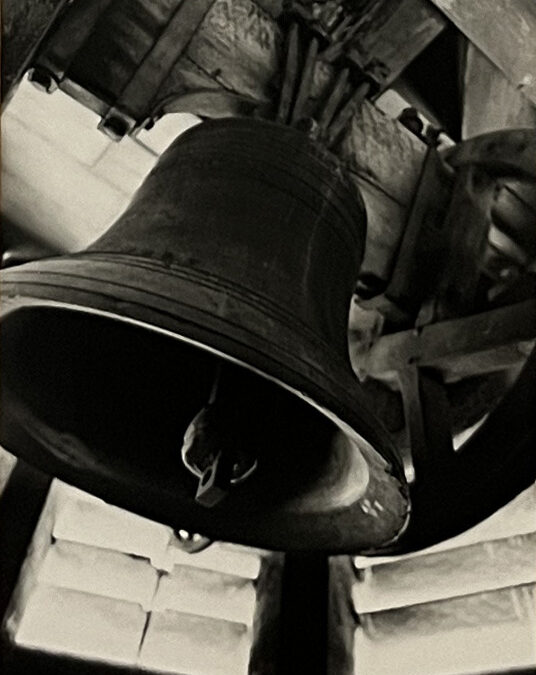
Belknap Mill Bell
The Bell That Signaled America’s Next Revolution
by
At its center, the Belknap Mill bell once regulated daily life, signaling shifts, breaks, and emergencies for generations of workers who kept the mill running. Cast by George Holbrook, an apprentice to Paul Revere, the bell connects the site to early American metalworking traditions and the broader story of industrial innovation in New England. Today, the mill remains a preserved landmark where history, community, and industry intersect, with the bell serving as a lasting reminder of Laconia’s transformation over time.
Visitors can still experience the mill’s legacy through its architecture, exhibits, and the enduring presence of the bell overlooking downtown Laconia and the Winnipesaukee River waterfront that once powered the region’s industrial growth.
In addition to his medical practice, Doc Remick was a herdsman and established Hillsdale Dairy in 1934 to provide pasteurized milk to nearby Civilian Conservation Corps camps. Trained as both a doctor and a farmer, he understood the health and safety benefits of milk pasteurization and incorporated this technology into his operations. The equipment on display is original and marks the first commercial use of milk pasteurization in Carroll County. Today museum visitors can tour the dairy barn, milking parlor, and pastures that were once home to Hillsdale Dairy.
Before his death in 1993, Dr. Edwin C. Remick created a foundation to preserve the family farmstead and history of the country doctor in a way that the public could directly learn from and enjoy. The Remick family’s 200-year-plus history in Tamworth gives us a glimpse into how people farmed, worked, and played in this idyllic landscape.